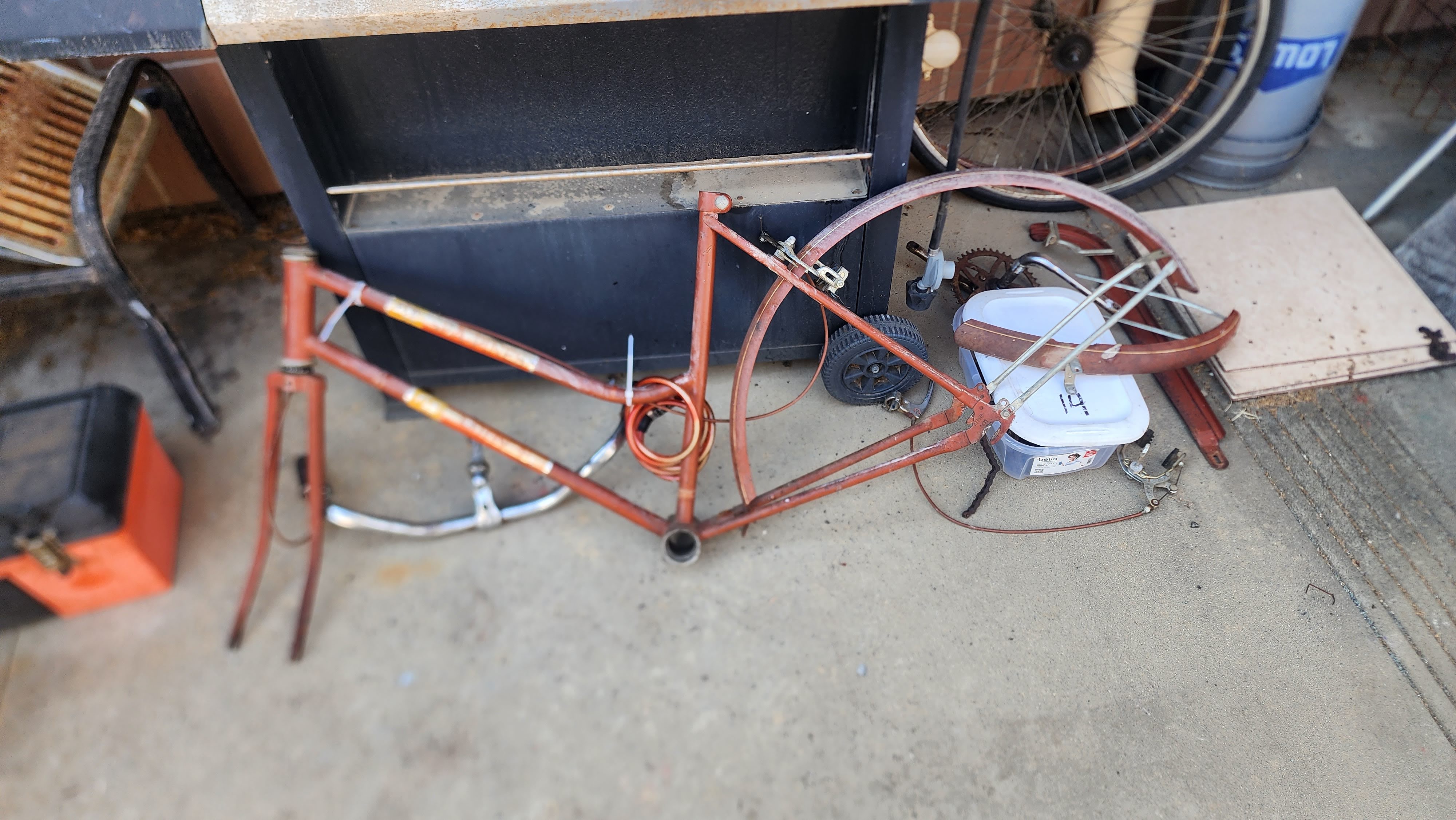
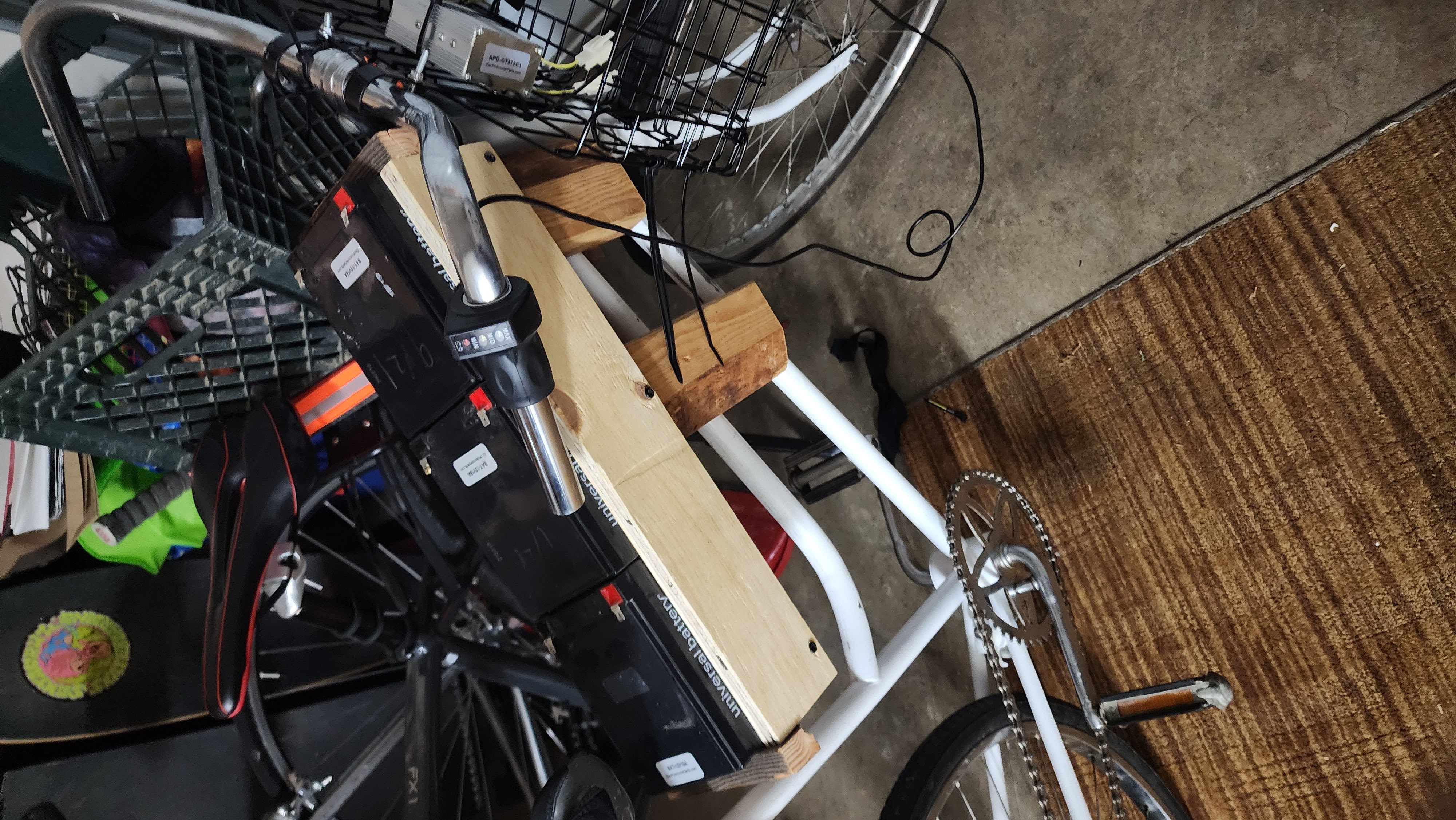
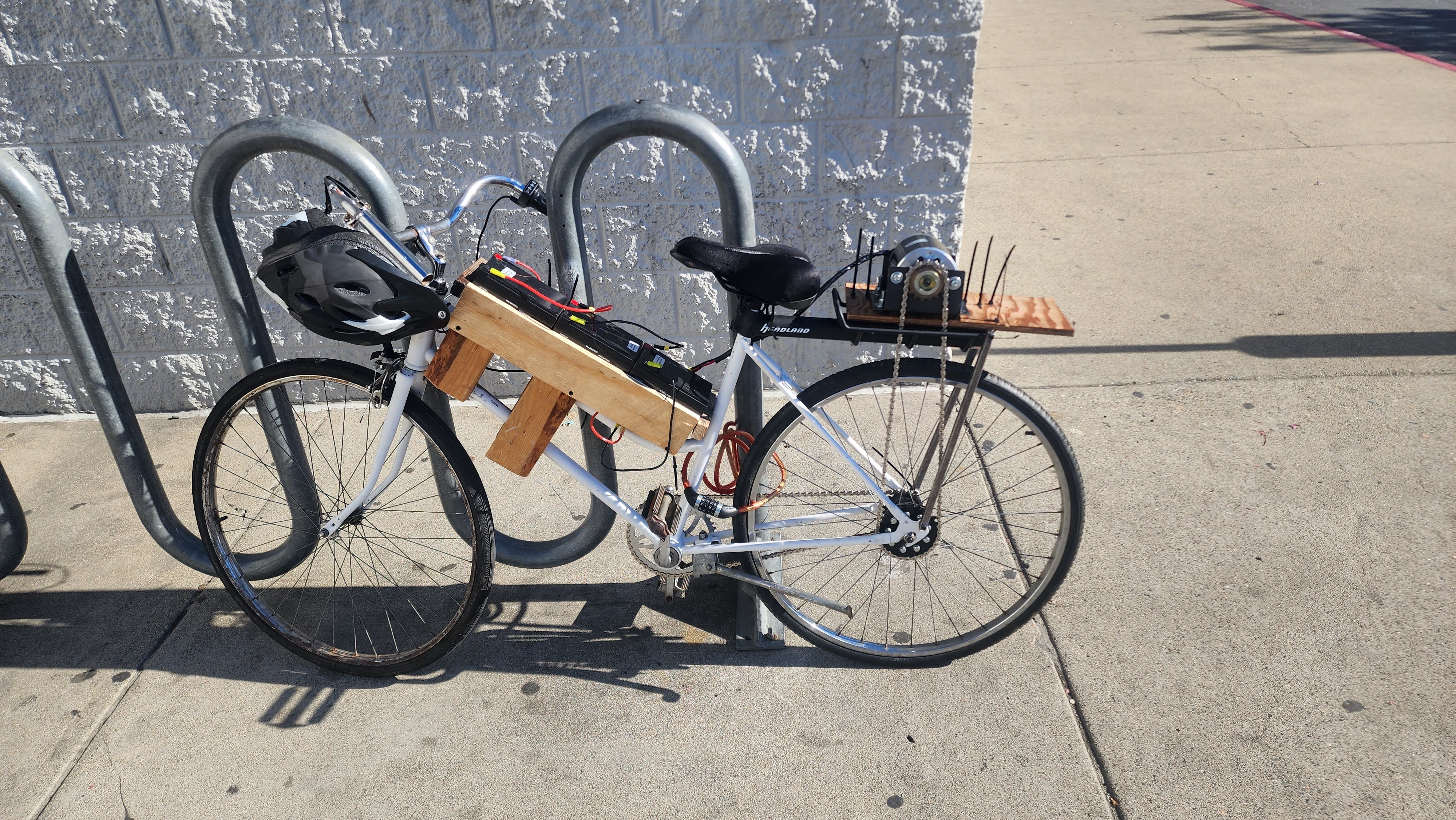
This project started with a rusted-out Huffy donation that most people ignored. I saw it as the perfect experiment, tore it down to bare frame, restored the mechanical base, and then attempted a full DIY electric conversion.
Project Photo
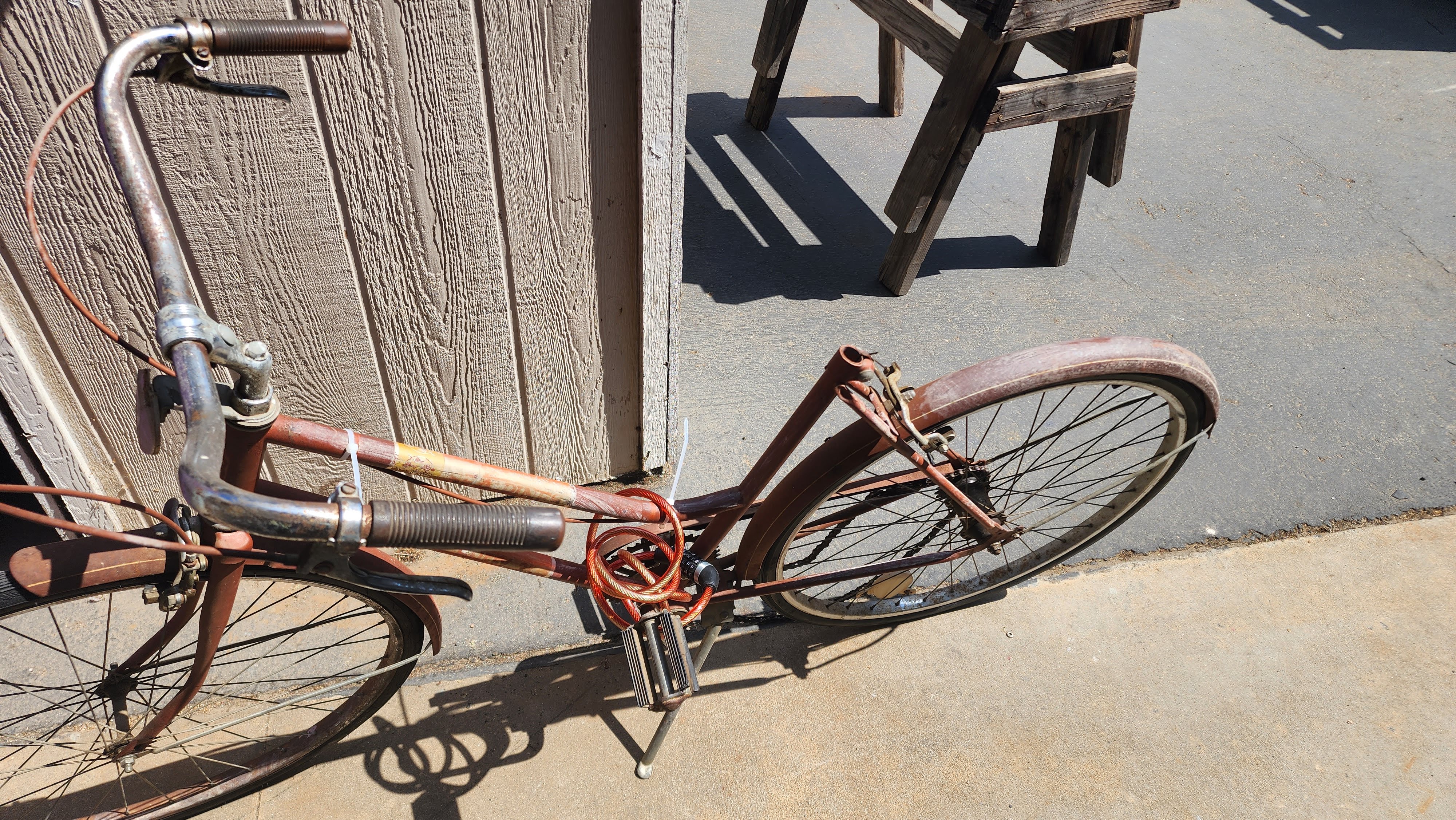
Restoration First
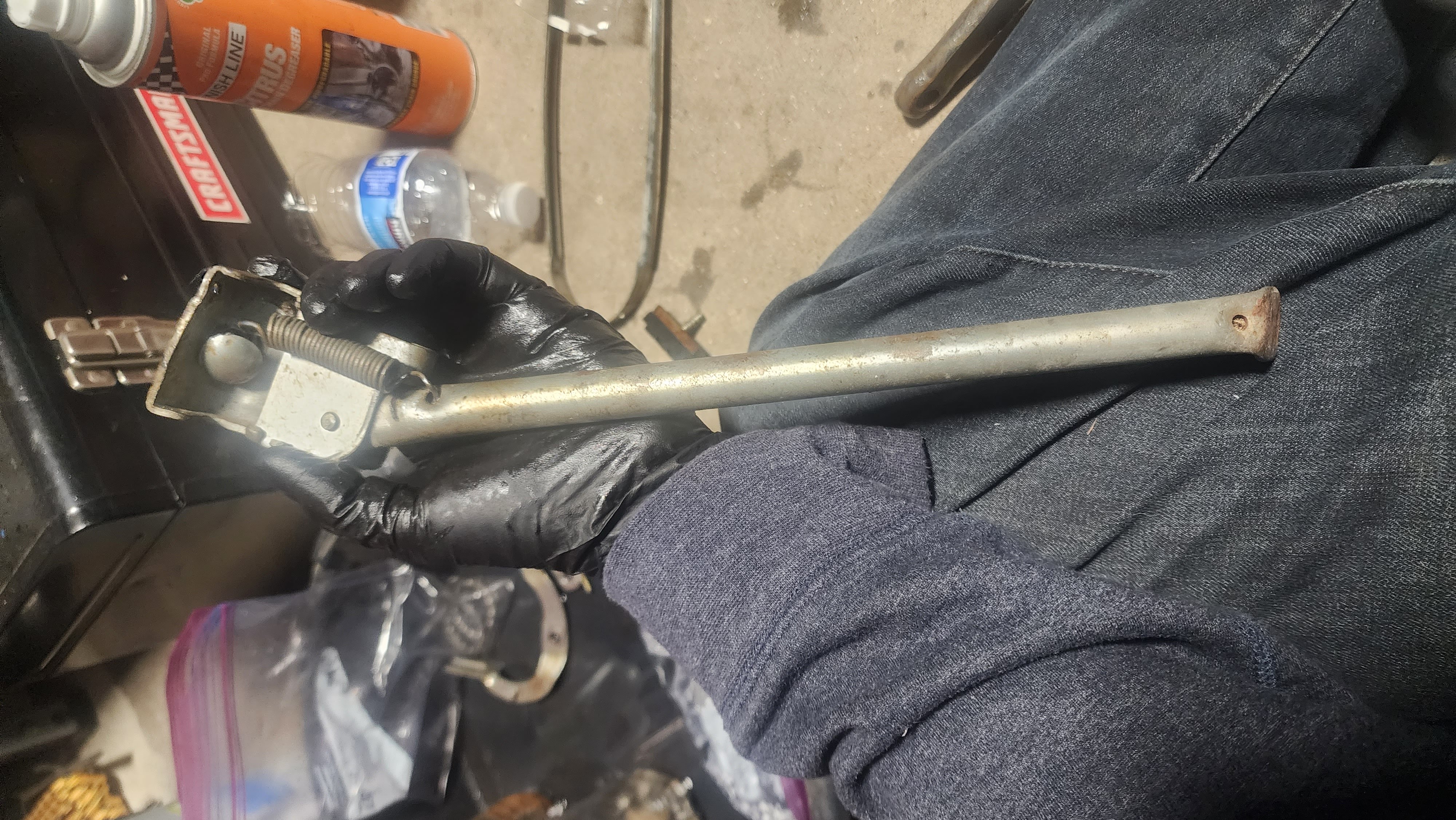
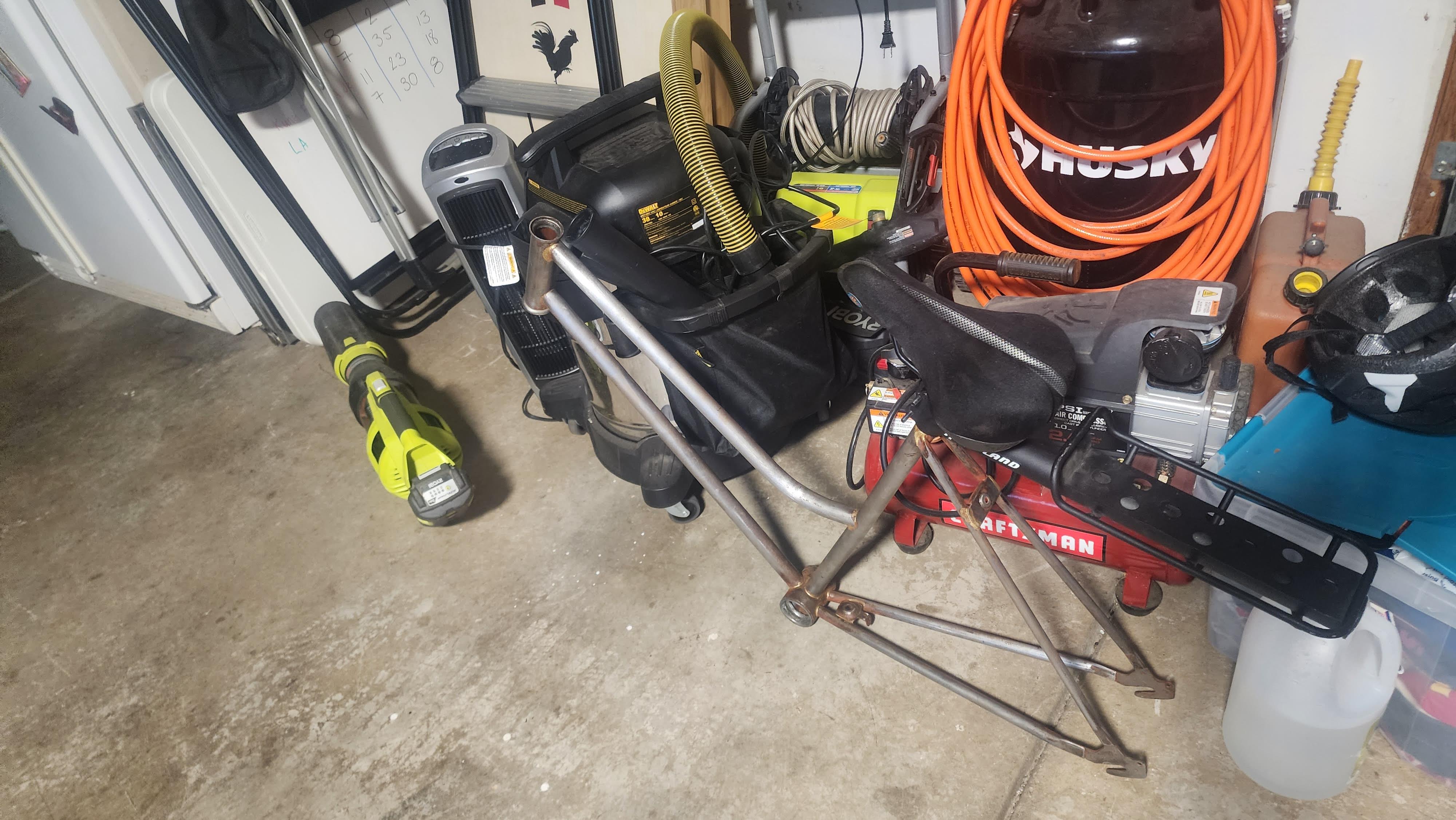
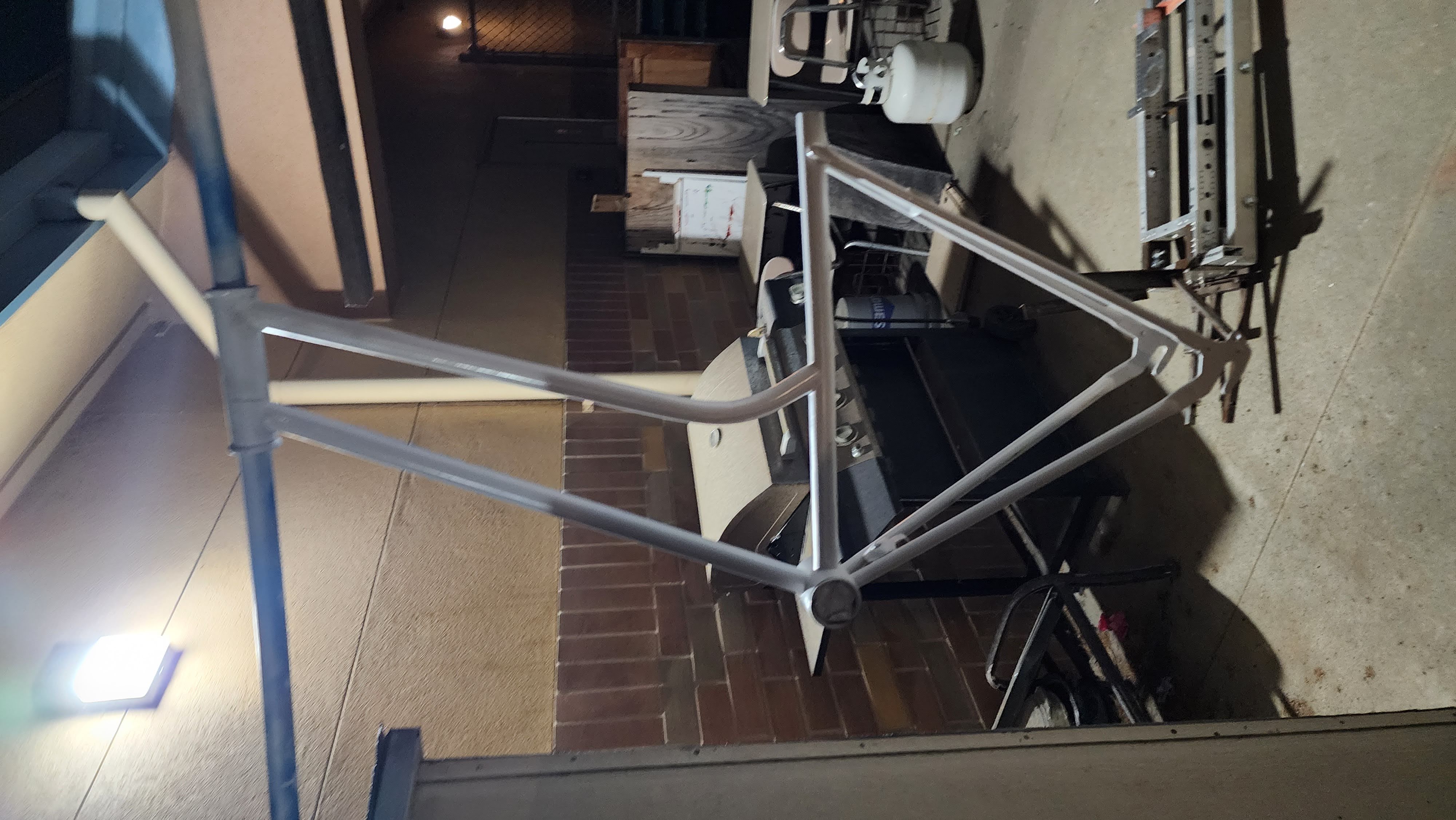
I stripped the bike down completely, every bolt, gear, and moving part came off. Hardware sat in vinegar baths for cleanup, and I removed paint from the chassis to bring it back to a clean raw foundation before touching electronics.
Mechanical Improvisation
One early blocker was the missing seat post. Instead of waiting on a replacement, I bought steel pipe, cut it to size, and made a functional substitute. It was not sleek, but it worked and stayed solid under load.
Powertrain Conversion
I used a scooter motor kit with three 12V batteries wired in series for a 36V system. The hardest part was drivetrain packaging: motor placement on the rear rack forced repeated chain tension and alignment changes.
Where It Fought Back
I added a sprocket to the rear wheel by bolting through the spokes, which made alignment extremely difficult. The system technically rode, but inefficiency was obvious since the motor constantly fought friction and misalignment.
Results and Lessons Learned
In the end, the bike was a messy build and mechanically inefficient, but it was one of my most important learning projects. It taught me project scope management, when to pivot, and how to recognize when a design is outside my current experience level. It was not pretty, but it was exactly the kind of failure that makes future projects better.
More Photos